Sodium-ion Battery vs Lead Acid Battery: Which is Better for Electric Bikes?
- Author : Tailg
The battery is one of the most important components of an electric bike. It determines how far you can travel, how often you need to charge, how long the battery can remain useful and how the bike performs in different conditions.
For years, lead-acid batteries have been a common choice for electric bikes because they are relatively affordable and widely available. But newer battery technologies are changing what riders can expect from ebikes. One of the most promising alternatives is sodium-ion battery technology.
So, which one is better? For riders who prioritize longer battery life, modern battery technology, reliable performance and practical range, sodium-ion batteries offer several compelling advantages.
What Is a Sodium-Ion Battery?
A sodium-ion battery is a rechargeable battery that uses sodium ions to store and release electrical energy. Instead of relying on lithium as the primary ion, it uses sodium, which is an abundant element.
Sodium-ion technology has been gaining attention in electric vehicles because of its potential combination of safety, durability and temperature performance. The International Energy Agency notes that sodium-ion batteries are entering the scale-up phase and are particularly suitable for applications including two and three-wheelers.
This makes the technology particularly interesting for electric bikes, where riders need a practical balance between range, durability, safety and everyday usability.
What Is a Lead-Acid Battery?
Lead-acid is a much older rechargeable battery technology. It has been used in vehicles and other applications for decades and remains popular in some electric two-wheelers, largely because of its relatively low upfront cost.
However, lead-acid batteries have some limitations when used for frequent electric-bike commuting. Compared with newer battery technologies, they generally have lower energy efficiency and shorter cycle life. A recent review of battery technologies used in ebikes found substantially longer cycle life and higher energy efficiency for newer battery systems compared with lead-acid.
For an electric-bike rider, this difference becomes particularly important when the bike is used frequently.
Sodium-Ion vs Lead-Acid: Key Differences
Now let’s take a closer look at the key differences between sodium-ion batteries and lead-acid batteries.
1. Battery Life and Charging Cycles
One of the biggest advantages of sodium-ion technology is its potential for a long service life.
A battery’s cycle life refers to how many charge and discharge cycles it can complete before its capacity falls to a specified level. This is important because an electric bike used regularly may go through hundreds of charging cycles over its lifetime.
Lead-acid batteries generally have a considerably shorter cycle life than modern battery technologies. Research comparing battery technologies for electric mobility also identifies cycle life as one of the key performance differences between battery chemistries.
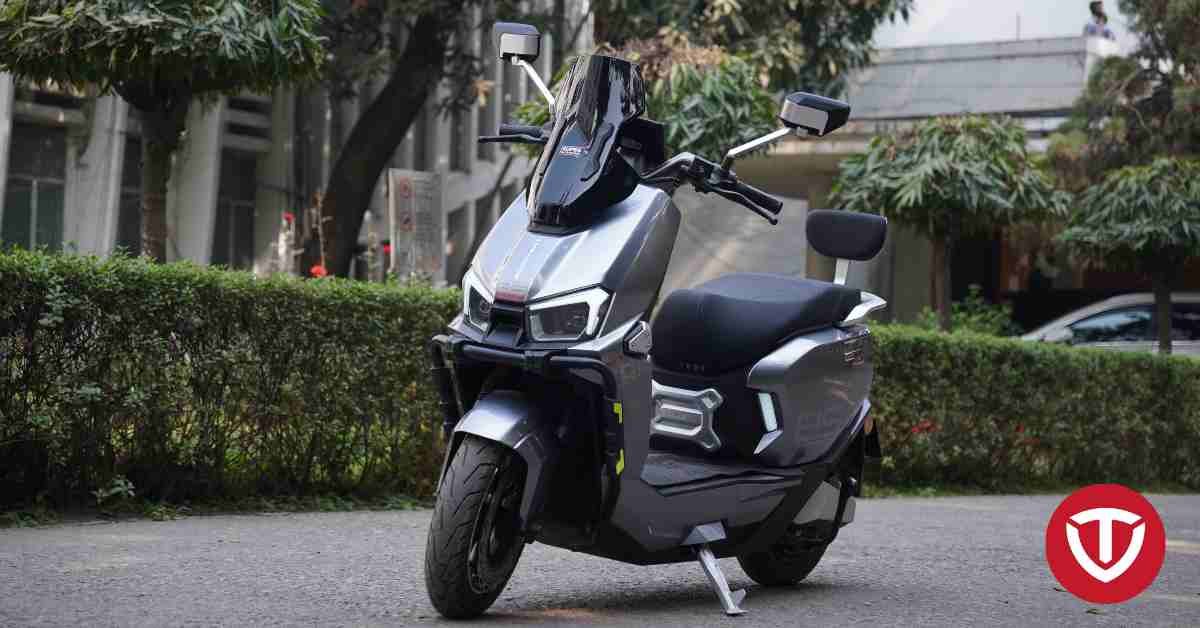
For example, the TAILG T53 Rhino uses a 72V/35Ah Sodium-Ion battery designed for 2000+ charging cycles with up to 80% capacity retention under the relevant testing conditions.
Importantly, 2000+ cycles does not mean the battery stops working after 2000 charges. It means the battery is designed to retain up to 80% of its original capacity through 2000+ charging cycles under the specified testing conditions. It can continue operating beyond that point, although capacity will naturally decline over time.
For riders who use their electric bike regularly, this can be a significant advantage.
2. Performance in Different Temperatures
Temperature can affect battery performance. This is particularly relevant in countries such as Bangladesh, where electric bikes may regularly be exposed to hot weather.
Sodium-ion technology has shown promising temperature performance. According to the IEA, newer sodium-ion batteries can operate at temperatures as high as 70°C, while some current-generation cells also demonstrate strong performance in very cold conditions.
That doesn’t mean every sodium-ion battery will perform identically. Battery design, cell chemistry, battery management systems and operating conditions all matter. However, temperature resilience is one of the areas where sodium-ion technology is attracting attention.
The TAILG Rhino is designed around this newer battery technology, making its Sodium-Ion battery one of the bike’s major differentiators.
3. Range
Range is another major consideration when choosing an electric bike.
A battery with a suitable capacity can reduce the need for frequent charging during everyday commuting. The actual range of any electric bike will depend on factors such as rider weight, speed, road conditions, riding style, temperature and terrain.
The TAILG T53 Rhino offers a claimed range of up to 120 km on its 72V/35Ah Sodium-Ion battery.
For commuters, that means the Rhino can potentially cover a substantial amount of everyday riding before requiring another charge.
4. Charging Convenience
How quickly an electric bike can recharge also affects its practicality.
The Rhino supports fast charging, with a full charge taking approximately 2 to 4 hours when using a fast charger, according to its specified charging setup.
This can be useful for riders who depend on their electric bike throughout the day and want to minimize downtime between rides.
5. Safety and Stability
Battery safety is naturally an important consideration when choosing an electric vehicle.
Sodium-ion batteries have attracted interest partly because their chemistry can offer safety advantages compared with some higher-energy-density battery technologies. Their lower energy density can reduce certain thermal risks, although the overall safety of an electric-bike battery still depends on the complete battery pack, electronics, charging system and manufacturing quality.
Sodium-ion technology is therefore not simply about getting more range. Its appeal also comes from the possibility of combining practical performance with stable battery operation.
So, Which Is Better for Electric Bikes?
If the comparison is based purely on upfront purchase cost, lead-acid batteries can still have an advantage in some markets.
But if you consider long-term battery life, charging cycles, temperature performance, range and modern battery technology, sodium-ion becomes a much more attractive option.
Factor | Sodium-ion Battery | Lead Acid Battery |
Battery technology | Newer-generation technology | Traditional technology |
Cycle life | Generally much longer | Generally shorter |
Temperature performance | Strong potential | More limited |
Long-term durability | Strong | Lower |
Energy efficiency | Generally higher | Generally lower |
Initial cost | Can be higher | Usually lower |
Everyday usability | Excellent potential | Suitable for budget-focused use |
The exact performance varies between battery models, manufacturers and applications, so the chemistry alone should not be the only factor in a purchasing decision.
Why the TAILG Rhino Stands Out
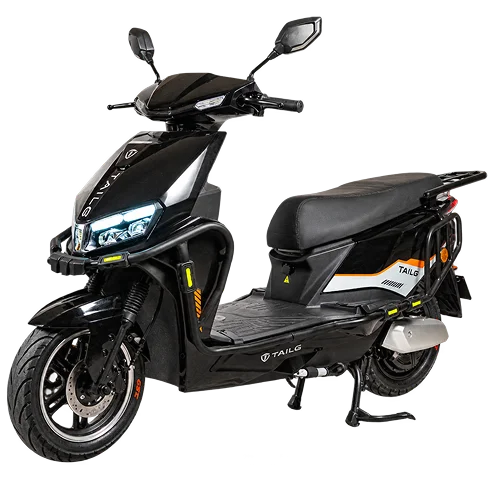
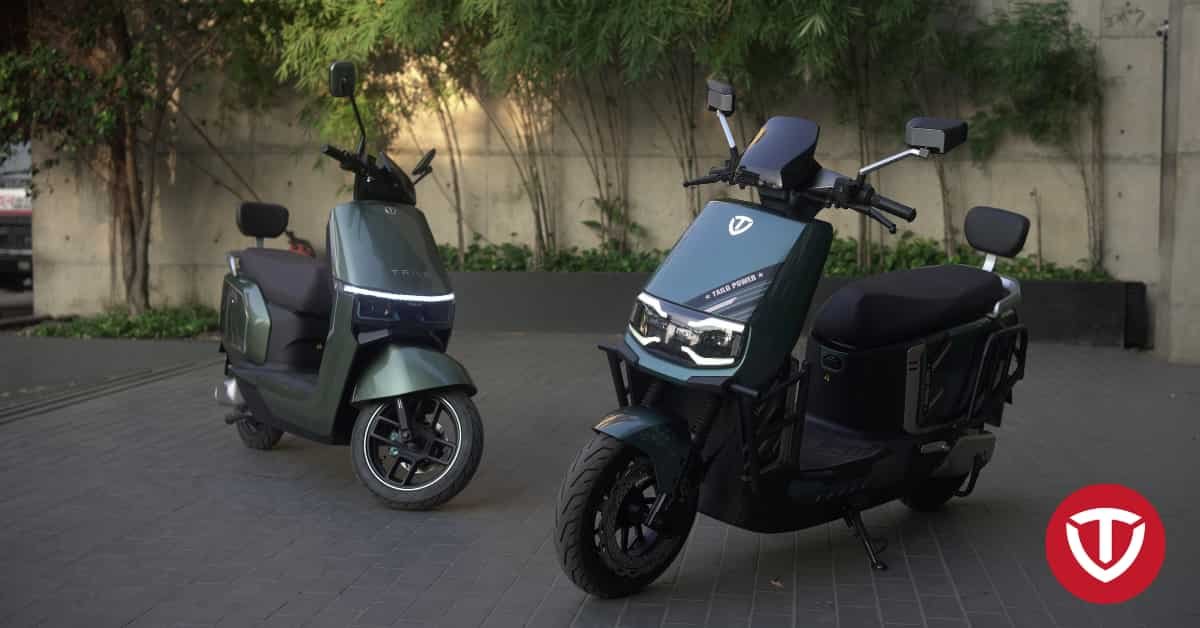
For riders interested in experiencing sodium-ion technology in an electric bike, the TAILG T53 Rhino brings several of these advantages together.
Its 72V/35Ah Sodium-Ion battery is designed for 2000+ cycles with up to 80% capacity retention, while the bike offers up to 120 km of range and supports fast charging.
The Rhino is also designed for practical everyday riding. Its 160mm ground clearance can help it handle speed breakers and uneven roads more comfortably. A 1500W motor provides strong performance for city riding and longer journeys, while features such as cruise control and reverse gear add convenience.
There is also a Bluetooth speaker and carbon grille guard for riders looking for additional features beyond the basics.
In other words, the Rhino isn’t built around sodium-ion technology as a marketing gimmick alone. The battery is part of a broader package focused on range, durability and everyday practicality.
Final Verdict
For budget-focused buyers looking for the lowest possible initial cost, lead-acid can still be a practical choice. But for riders who are thinking about long-term use, battery durability, charging cycles and modern battery technology; sodium-ion offers a more future-focused option.
As sodium-ion batteries continue to scale across electric rides, their role in two-wheelers is becoming increasingly relevant.
And for riders in Bangladesh looking for a practical electric bike with this technology, the TAILG T53 Rhino offers a strong combination of Sodium-Ion battery technology, up to 120 km range, 2000+ cycle life, fast charging and 160mm ground clearance.