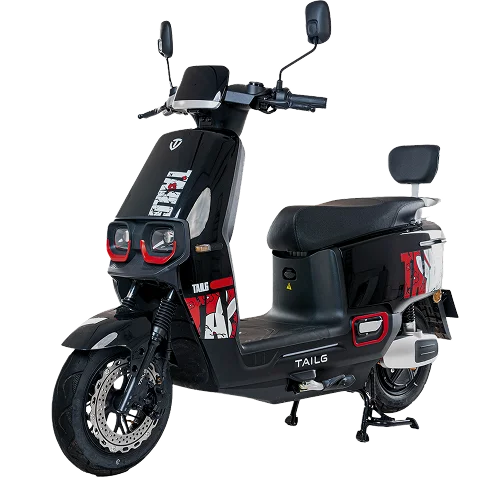
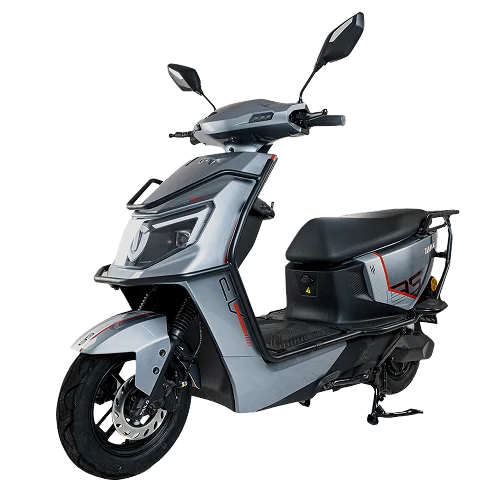
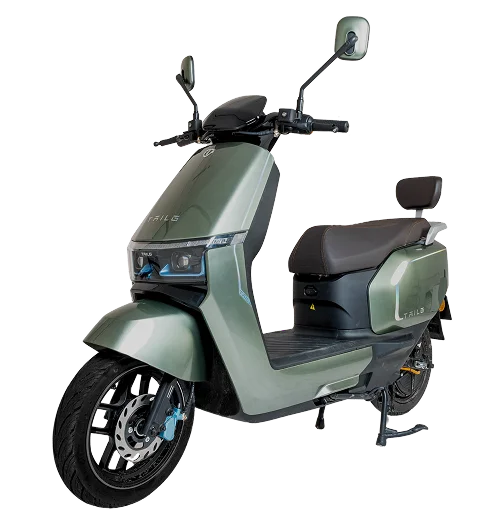
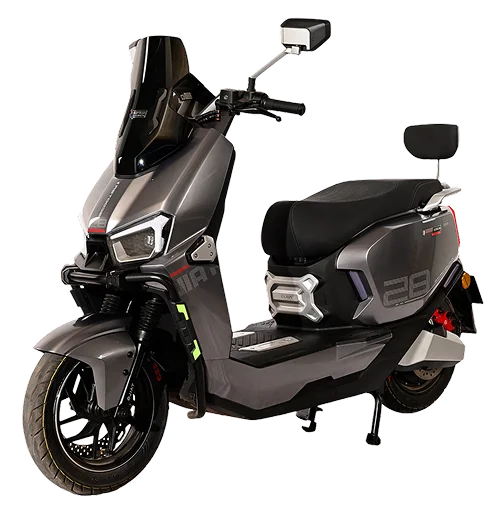
The monsoon season brings welcome relief from the summer heat. But it also creates challenging road conditions for daily commuters in Bangladesh. Heavy rain, waterlogged streets, muddy roads and high humidity can affect any vehicle, including electric bikes.
Fortunately, modern electric bikes are built to withstand everyday weather conditions. However, taking a few extra precautions during the rainy season can help protect your bike, improve safety, and extend the lifespan of important components such as the battery, motor, brakes, and electrical system.
If you rely on your electric bike for commuting to work, university, or running daily errands, these monsoon care tips will help keep it in excellent condition throughout the rainy months.
1. Avoid Riding Through Deep Water
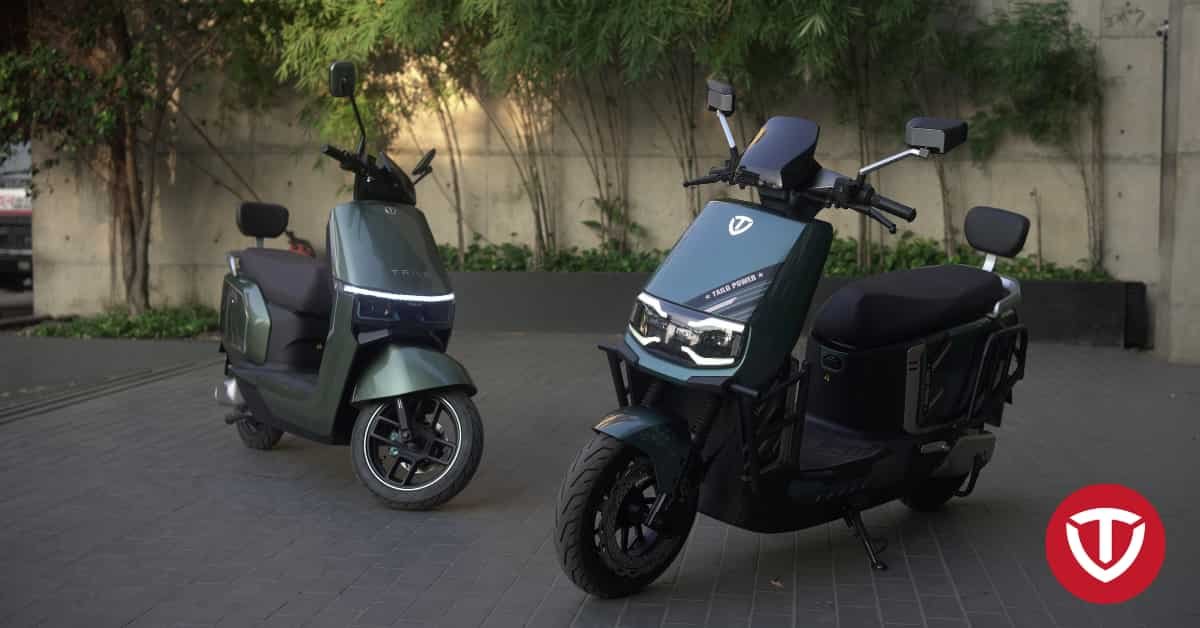
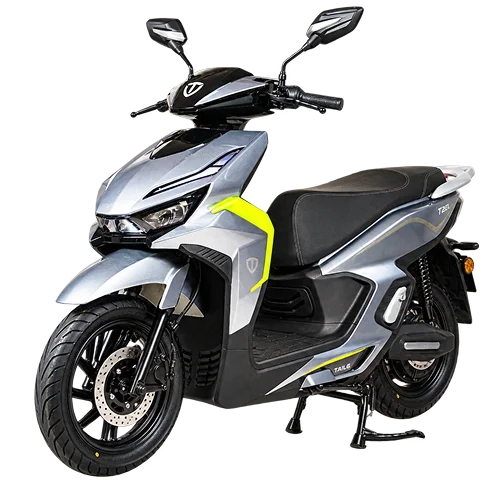
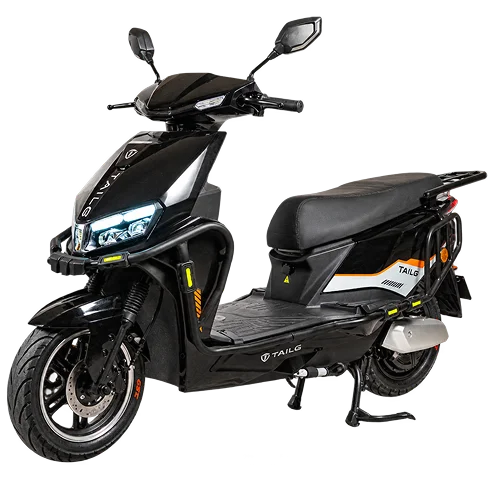
One of the biggest mistakes riders make during the monsoon is attempting to cross heavily flooded roads. While many electric bikes are designed to handle light rain and wet roads, deep water can pose risks to electrical components and mechanical parts. But the good news is, all TAILG electric bikesare IPX6 water-resistant which makes them suitable for riding in heavy rain and typical Bangladeshi weather conditions.
However, if you encounter a flooded street where the water level is difficult to judge, it’s usually safer to find an alternative route. Even if your bike continues to run normally, repeated exposure to deep water can increase wear on various components over time.
2. Dry Your Bike After Every Rainy Ride
After reaching your destination, spend a few minutes drying your bike with a clean, soft cloth. Pay extra attention to areas around the battery compartment, charging port, display, and electrical connectors.
Removing moisture helps prevent corrosion and keeps your bike looking clean. It also gives you an opportunity to inspect the bike for mud buildup or any visible damage caused by rough roads.
3. Never Charge a Wet Bike
If your bike has been exposed to rain, make sure the charging port is completely dry before plugging in the charger.
Charging while moisture is present around the charging connector can create unnecessary risks and may damage electrical components. Allow the bike to dry naturally or wipe the area thoroughly before charging.
Using only the manufacturer’s recommended charger is also important for maintaining battery health throughout the year.
4. Keep the Battery Protected
The battery is the most valuable component of an electric bike, so it deserves extra attention during the rainy season.
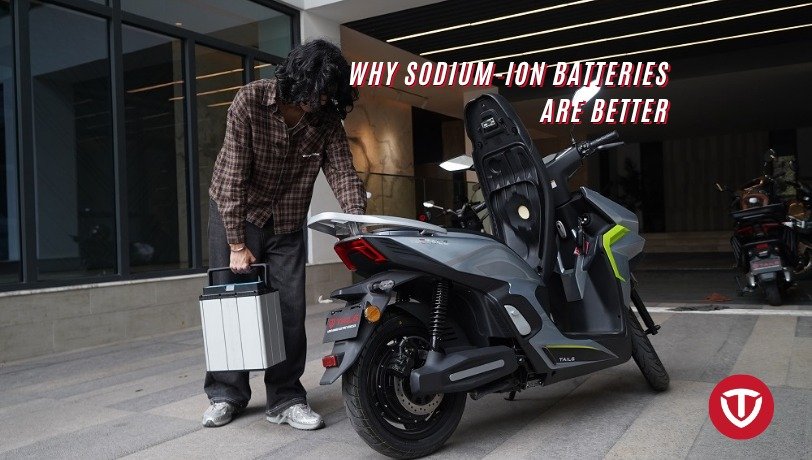
Avoid leaving the bike parked in heavy rain for extended periods if a covered parking space is available. If you remove the battery for charging, store it indoors in a cool, dry place away from direct sunlight and excessive humidity.
Taking care of the battery not only improves reliability but also helps maintain riding range over the long term.
5. Clean Mud and Dirt Promptly
Rain often leaves behind muddy roads, especially in many parts of Bangladesh. Mud can accumulate around the wheels, suspension, and lower sections of the bike after even a short ride.
Cleaning off dirt soon after returning home prevents it from hardening and makes maintenance much easier. A damp cloth and mild cleaning solution are usually enough for regular cleaning.
Avoid using high-pressure water jets directly on the motor, battery compartment, display, or electrical connections, as excessive water pressure can force moisture into sensitive areas.
6. Check the Brakes More Frequently
Wet roads naturally increase braking distance, making properly functioning brakes even more important during the monsoon.
If you notice unusual noises, reduced braking performance, or a softer brake feel, have the system inspected before continuing regular use. Reliable brakes give you better control when roads become slippery.
7. Inspect Your Tires Regularly
Good tire condition becomes even more important when riding on wet roads.
Proper tire pressure helps maintain traction, while sufficient tread depth improves grip during rain. Worn tires reduce stability and increase the risk of slipping on smooth or muddy surfaces.
Taking a few moments to inspect your tires every couple of weeks can significantly improve riding safety throughout the season.
8. Ride More Carefully During Rain
Monsoon riding requires a slightly different approach than riding in dry weather.
Sudden acceleration, hard braking, and sharp turns can reduce traction on wet roads. Maintaining a moderate speed, allowing extra stopping distance, and riding smoothly will help you stay in control while also reducing unnecessary strain on your electric bike.
Keeping a safe distance from other vehicles is equally important, as visibility often decreases during heavy rainfall.
9. Store Your Electric Bike in a Covered Area
Whenever possible, park your bike under a roof or inside a garage.
Although electric bikes are built for outdoor use, constant exposure to rain, humidity, and direct sunlight can gradually affect paint, metal components, and electrical connectors.
If covered parking isn’t available, using a waterproof bike cover can provide additional protection when the bike is parked for extended periods.
10. Schedule Regular Maintenance
The rainy season puts extra stress on any vehicle, making regular servicing even more valuable. The good thing is, every authorized TAILG showroom has its own dedicated service center with trained technicians and genuine spare parts. Even home servicing is available in selected locations.
A professional inspection can identify worn brake pads, loose fasteners, damaged wiring, or other issues before they become larger problems. Routine maintenance also helps ensure your battery, motor, and electrical system continue operating efficiently throughout the year.
Keep Enjoying the Savings, Even During the Rain
One of the biggest advantages of owning an electric bike is its remarkably low running cost, and that doesn’t change during the monsoon.
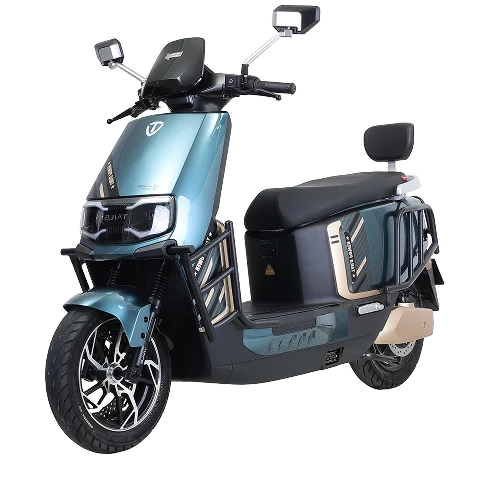
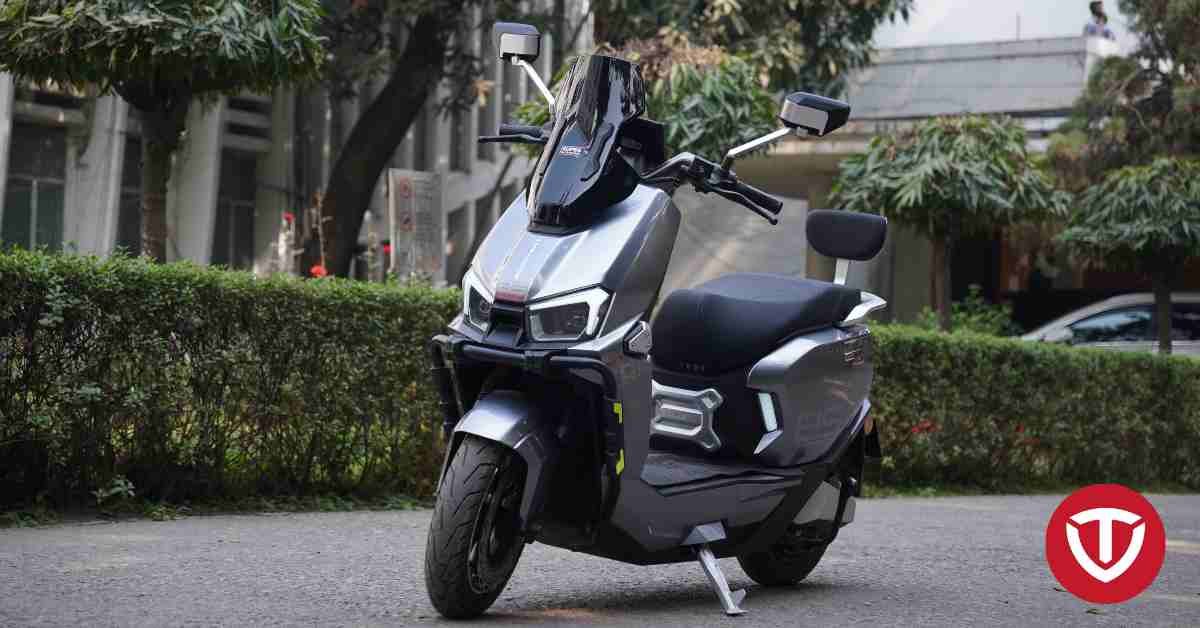
For example, the TAILG Saibei F71 costs just BDT 15 for a full charge and delivers a riding range of up to 120 km. With proper care throughout the rainy season, you can continue enjoying reliable performance while keeping your daily commuting expenses exceptionally low.