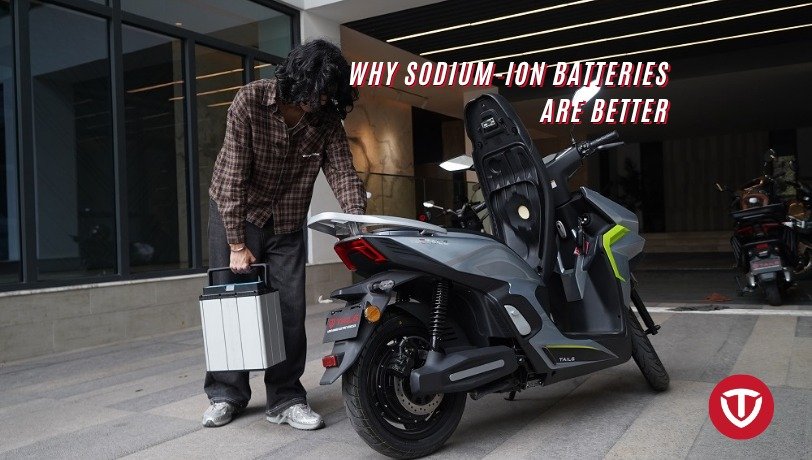
Why Sodium-Ion Batteries Are a Better Choice for Electric Bikes in Bangladesh?
Author :
Tailg
Bangladesh is becoming increasingly interested in electric bikes as commuters look for more economical and convenient ways to travel. But while the motor, speed and design of an electric bike often get the most attention, the battery is arguably the most important component.
The battery determines how far you can travel, how frequently you need to charge, how long the battery remains useful and how well the bike performs in different conditions.
For Bangladesh, several characteristics of sodium-ion batteries make them worth considering.
This is where Sodium-Ion battery technology is becoming particularly interesting.
Sodium-ion batteries are an emerging battery technology that uses sodium ions instead of lithium ions to store electrical energy. Their combination of durability, safety characteristics and material availability has made them increasingly relevant for electric mobility, including two-wheelers. The technology is still developing. So battery performance depends on the specific chemistry, cell design and battery-management system.
1. Better Suited to Everyday Heat and Urban Riding
Bangladesh’s climate means electric bikes are regularly used in warm and humid conditions. Riders may spend hours on the road, often in traffic, where the battery and motor are working continuously.
Battery temperature management therefore matters. Sodium-ion batteries have attracted attention for their thermal and safety characteristics. Research has found that sodium-ion chemistry can offer a relatively high thermal runaway threshold compared with some other battery chemistries, although safety still depends heavily on the specific cell design, battery pack and management system.
That makes sodium-ion technology an interesting option for electric bikes operating in demanding everyday environments.
However, it is important not to interpret this as meaning sodium-ion batteries are immune to heat-related problems. Like every rechargeable battery, they need to be properly designed, charged and maintained.
2. Long Battery Life Means Fewer Battery Replacements
For someone buying an electric bike for daily commuting, battery longevity is a major consideration. A battery isn’t simply something that needs to hold a charge today. It needs to continue providing useful capacity after hundreds or thousands of charging cycles.
This is one area where sodium-ion technology can be attractive. Some sodium-ion cells have demonstrated long cycle life, although the exact figure varies considerably depending on the chemistry and testing conditions.
Good electric bikes use sodium iron phosphate batteries for added stability and quality. The TAILG T53 Rhino, for example, uses a 72V/35Ah Sodium Iron Phosphate rated at 2000+ charging cycles.
TAILG specifies this as up to 80% capacity retention through 2000+ cycles under the relevant testing conditions. This does not mean the battery stops functioning after 2000 cycles. It can continue operating beyond that point, although its capacity will naturally decrease over time.
For someone using an electric bike every day, a long cycle life can make a meaningful difference to the overall ownership experience.
3. Sodium is Abundant
Another important characteristic of sodium-ion technology is the availability of its primary raw material. Sodium is far more abundant and widely distributed than lithium. Sodium-ion batteries can also avoid the need for some of the critical minerals associated with certain lithium-ion chemistries. This is one reason the technology is being explored as a complementary battery solution for electric vehicles as energy storage.
For consumers, this may not immediately change how an electric bike feels on the road. But at a broader level, greater battery-chemistry diversity can help reduce dependence on a single battery technology and its associated supply chains.
4. Good Range for Daily Commuting
Range is one of the first things most electric-bike buyers in Bangladesh will consider. Nobody wants to worry about finding a charging point halfway through their daily commute.
The actual range of an electric bike depends on several factors, including riding speed, rider weight, road conditions, traffic, terrain, tyre pressure and riding style. Therefore, claimed range should always be treated as an indicative figure rather than a guaranteed distance.
The TAILG T53 Rhino offers a claimed range of up to 120 km from its 72V/35Ah Sodium-Ion battery.
That gives the Rhino enough claimed range for substantial daily commuting as well as longer rides, depending on real-world riding conditions.
5. Fast Charging Makes the Bike More Practical
Range is only part of the equation. Charging time matters too. If an electric bike takes a long time to recharge, riders need to plan their journeys around the battery. Faster charging can make electric mobility considerably more convenient.
The TAILG Rhino supports fast charging, with a full charge taking approximately 2 to 4 hours when using a fast charger, according to its specified charging setup.
For someone using the bike throughout the day, this can reduce the amount of time spent waiting for the battery to recharge.
6. A Good Match for Uneven Roads
Battery technology isn’t the only reason the Rhino is relevant to Bangladesh. Road conditions can vary significantly between different areas. Speed breakers, uneven surfaces and rough sections of road are common considerations for electric-bike riders.
The Rhino has 160mm of ground clearance, giving it additional clearance when dealing with speed breakers and uneven roads. Its 1500W motor also provides enough power for everyday city riding and longer journeys, while dual-disc brakes provide braking at both wheels.
Together, these features make the bike more than simply a showcase for its sodium-ion battery. The battery technology is combined with hardware designed around everyday riding.
7. Modern Battery Technology Without Sacrificing Practicality
One of the interesting things about sodium-ion technology is that its appeal isn’t based on just one specification.
It offers a different balance of characteristics from conventional battery technologies. Depending on the specific implementation, sodium-ion can provide advantages in areas such as material availability, safety characteristics and cycle life, while accepting trade-offs such as lower energy density compared with leading lithium-ion cells.
That balance can make sense for electric bikes. An electric bike doesn’t necessarily need the highest possible energy density. For many commuters, reliable range, long battery life, practical charging and everyday durability can be more important.
Sodium-Ion Batteries and the Future of Electric Bikes in Bangladesh
The electric-bike market is evolving quickly, and battery technology will play a major role in determining how practical electric mobility becomes.
Sodium-ion batteries aren’t automatically better than every other battery chemistry in every situation. Their lower energy density can mean that a sodium-ion battery needs more physical space or weight to store the same amount of energy as a high-energy-density lithium-ion battery. The technology is also still scaling commercially.
But for electric bikes, where durability, usable range, safety characteristics and everyday practicality matter heavily, sodium-ion technology presents an interesting alternative.
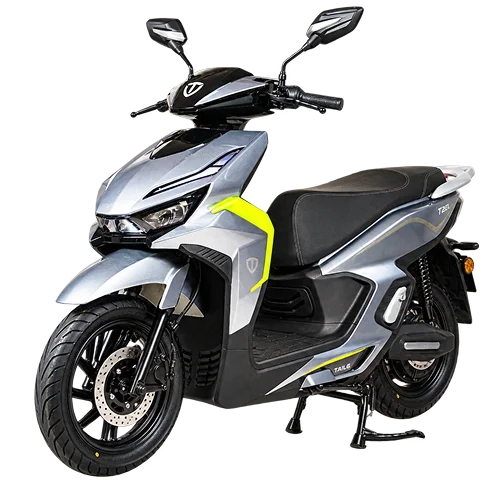
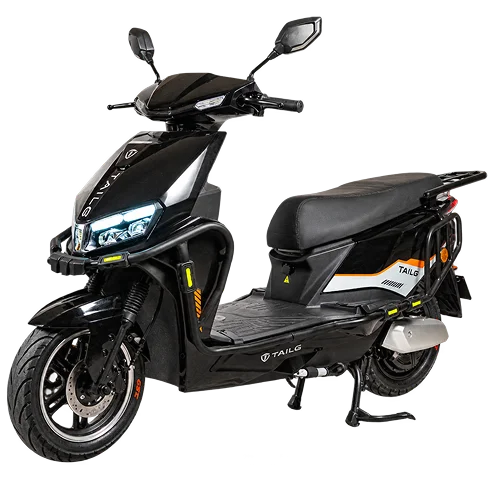
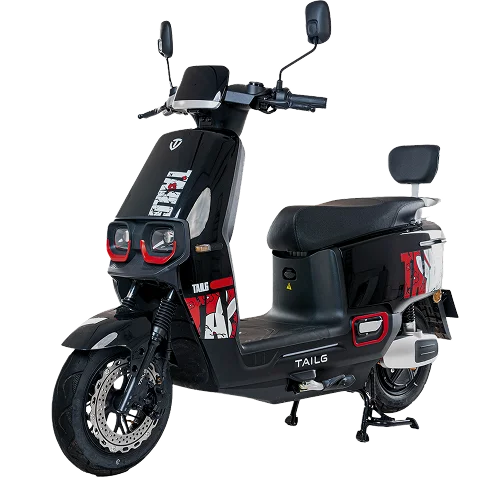
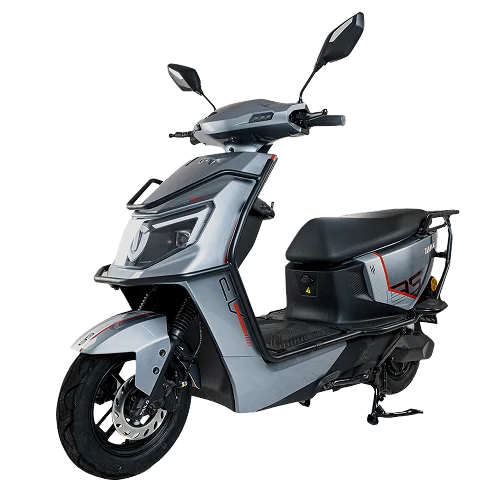
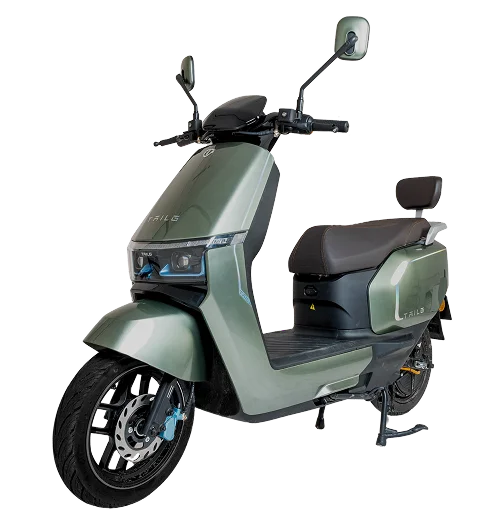
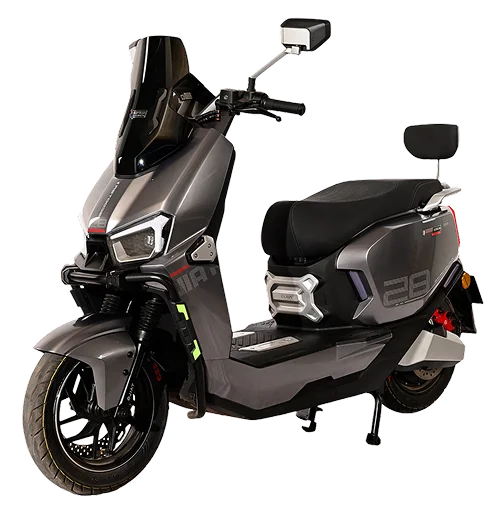
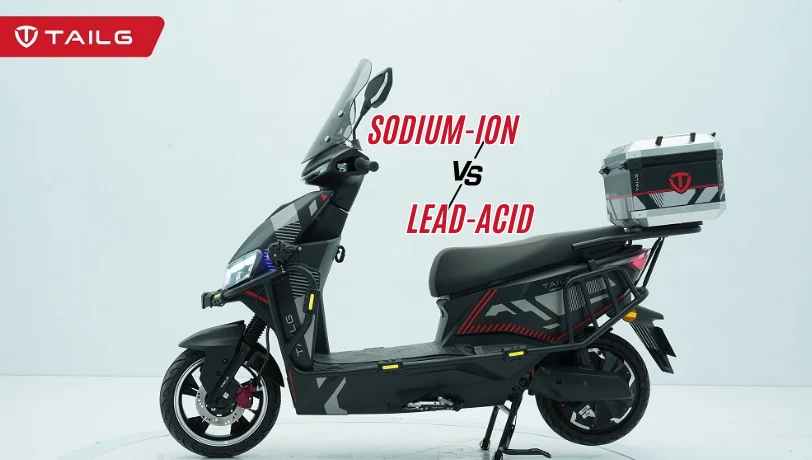
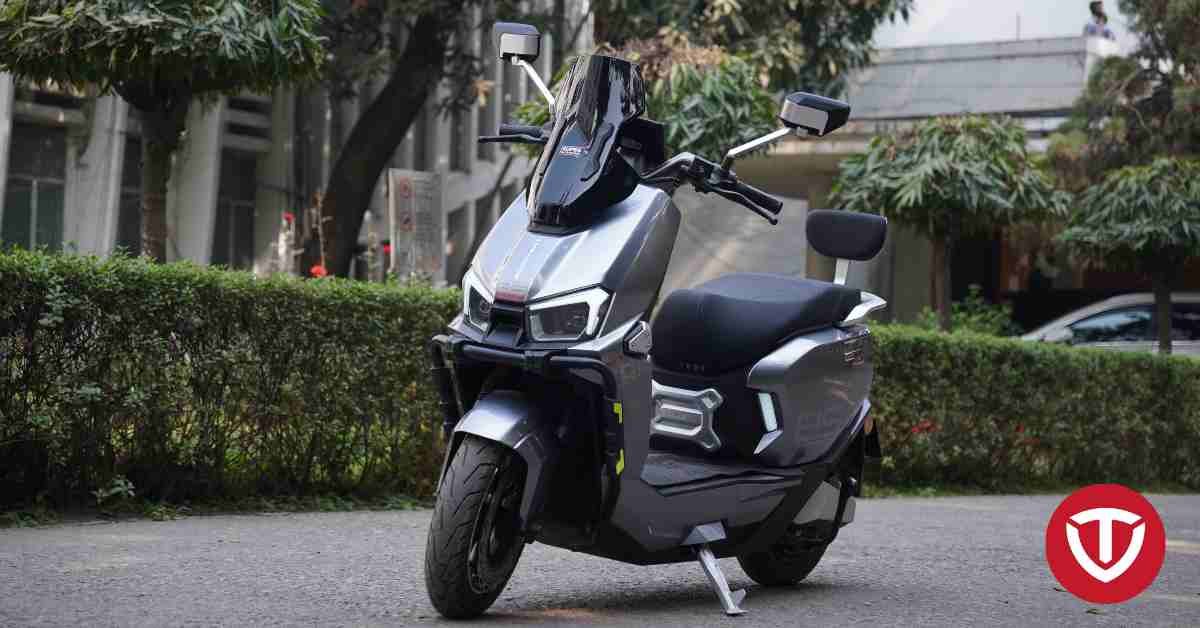
The TAILG T53 Rhino is an example of this technology being brought into the electric-bike market in Bangladesh. Its 72V/35Ah Sodium-Ion battery, 2000+ cycle rating, claimed range of up to 120 km and fast-charging capability make it particularly suited to riders looking for a modern battery platform with practical everyday performance.
Add in the 1500W motor, 160mm ground clearance, dual-disc brakes, cruise control and reverse gear, and the Rhino becomes a well-rounded option for Bangladesh’s urban and mixed-road riding conditions.
Last Words
So, why could sodium-ion batteries be a better choice for electric bikes in Bangladesh?
The answer comes down to the combination of battery durability, safety characteristics, material availability, practical range and everyday usability.
For riders who want an electric bike that can handle regular commuting without making battery replacement and charging a constant concern, sodium-ion technology is an option worth considering.